Your Small Business Doesn’t Need More SEO. It Needs Better SEO
Strategic SEO Services in Australia That Drive Sustainable Revenue

Small businesses are often told they need SEO, but the advice can feel vague: add more keywords, publish more blogs, build more backlinks, or chase rankings. Effective Search Engine Optimisation (SEO) services in Australia should identify what is stopping the business from being found by the right customers, then fix those issues in the right order so organic visibility supports enquiries, sales, and growth.
SEO is not one task. It is a process of identifying why a business is not being found for commercially valuable searches, then fixing the barriers in order of impact. For Australian small and medium-sized businesses, that means looking at technical health, search intent, website structure, content quality, local visibility, and conversion opportunities together. The article below explains what good SEO should assess before a business decides what support it needs.
Technical Health and Crawlability
Technical SEO makes sure a small business website can be found, understood, and used properly before content and promotion do the heavy lifting. If search engines cannot access an important service page, if two similar pages compete, or if mobile visitors leave because the page is slow, content may not deliver enquiries.
A technical review should look for pages that cannot be crawled or indexed, poor internal linking, duplicate or competing pages, slow or unstable pages, incorrect canonicalisation, mobile usability issues, poor site structure, and indexation problems. Each issue should be explained in plain English, with priority given to service, product, location, or enquiry pages.
During a technical SEO audit, an agency should investigate crawl access, sitemap and robots.txt settings, Core Web Vitals, mobile usability, internal links, redirects, schema markup, duplicate content, and the relationship between service pages, location pages, and supporting articles. Consider professional technical SEO assistance when technical issues affect important pages, organic traffic does not match content quality, or a rebuild, migration, or expansion could create indexing problems.
Local SEO for Small Businesses
Local SEO is especially important for businesses that serve specific suburbs, cities, regions, or service areas. A customer searching “what is SEO” is usually looking for information. A customer searching “plumber near me”, “family lawyer Brisbane”, or “SEO consultant Sydney” is looking for a type of business. A customer checking nearby providers, maps, reviews, and contact options is often closer to making an enquiry.
For small businesses, a good SEO agency should assess Google Business Profile details, service categories, opening hours, contact information, location signals, reviews, website location pages, and locally relevant content. It should also check whether Name, Address, and Phone Number (NAP) details are consistent across trusted directories, because conflicting information can make it harder for customers and search platforms to understand where the business operates.
A local SEO plan may improve service-area pages for genuine suburbs, cities, or regions, strengthen links between local pages and core service pages, encourage legitimate customer reviews, and publish useful location-specific content. The small business SEO services page explains how keyword intent, Google Business Profile optimisation, content planning, technical checks, and conversion-focused page improvements can work together.
SEO Should Target Commercial Intent, Not Just Traffic
More organic traffic does not automatically mean more customers. A small business can attract visitors from broad informational searches and still see little change in enquiries if those visitors are not looking for the products or services the business sells. A useful SEO strategy should identify searches with the strongest relationship to real customer demand, not phrases with the highest search volume.
Intent changes the strategy. Someone searching “how does X work?” may be researching a concept, while “X service near me” suggests provider comparison. “Best accounting software” may suit a comparison page, while “accountant for small business” points towards a service provider. “How to fix a leaking tap” may need instructions, while “emergency plumbing repair service” suggests immediate help. For eCommerce, broad product searches can indicate early research, while specific product, category, size, model, or delivery searches may show stronger buying intent.
A good SEO agency should separate informational, commercial investigation, and transactional intent before recommending pages or content. This affects keyword research, page structure, content planning, and Conversion rate optimisation (CRO). High-intent searches often need stronger service pages, category pages, local landing pages, proof points, internal links, forms, phone numbers, trust signals, and clear calls to action. Lead generation SEO services are relevant when a business wants qualified enquiries rather than simply more visitor numbers.
Getting More Traffic Is Not the Same as Getting Better Traffic
Traffic growth should be evaluated against business outcomes, not treated as the final objective. Impressions show how often a page appears in search results. Rankings show where a page appears for selected queries. Organic sessions show how many visits come from unpaid search. These numbers help diagnose visibility, but they do not automatically show whether SEO is attracting people likely to enquire, call, buy, or become customers.
Better traffic is measured by the opportunity it creates. Qualified enquiries, phone calls, leads, and sales show whether organic search is connecting the business with people who have a realistic chance of becoming customers. Before prioritising keywords or pages, the strategy should clarify what success means for the business.
A get more traffic SEO service is most useful when traffic growth is planned around relevance, not volume alone. The aim is to attract searchers who match the business’s market, service area, product demand, and buying stage.
What a Good SEO Agency Should Actually Be Doing
A small business should not have to guess whether an SEO campaign is strategic. A competent agency should be able to explain what is limiting organic visibility, which searches matter commercially, which pages need improvement, whether technical problems are preventing growth, how the strategy connects to leads or sales, what comes first, how progress will be measured, and what work will actually be completed each month.
That explanation should be specific enough to test. If a service page is not ranking, the agency should be able to say whether the issue is crawlability, weak intent alignment, thin content, poor internal linking, limited authority, local relevance, or a conversion problem after the visit. If a keyword looks attractive, the agency should explain whether it deserves a service page, location page, category page, product page, article, or no new page at all.
The most useful agencies also show how trade-offs are handled. If two opportunities look promising, they should explain which one is more likely to support qualified enquiries first. If a business serves several locations, they should decide whether to improve core service pages, build service-area pages, strengthen Google Business Profile signals, or fix tracking before adding more content. If an eCommerce site has many products, they should know when category structure, internal linking, product information, or indexation is the real constraint.
The agency should then turn diagnosis into a practical order of work. Crawl or indexation problems may need technical fixes before new content. Service pages that do not match high-intent searches may need on-page SEO first. Businesses serving defined locations may need local visibility before broader blog publishing. If traffic is growing but enquiries are not, conversion pathways and measurement may need attention before more keywords are added. Monthly work should follow that logic, so reporting shows what changed, why it mattered, and what the next priority is.
This level of thinking helps a business assess whether an agency is solving the right problem or simply selling activity. Strong SEO support connects technical review, keyword intent mapping, content planning, on-page improvements, local visibility work, eCommerce considerations, and CRO, so every recommendation has a clear commercial purpose.
On-Page SEO and Website Structure
Once someone lands on your website, ranking alone is not enough. The page needs to explain the offer, match the searcher’s intent, guide them to the right next step, and make it easy to enquire. If a page attracts traffic but leaves visitors unsure about the service, location, process, trust signals, or contact options, SEO can create visibility without delivering value.
Strong on-page SEO starts with keyword-to-page mapping. A good SEO agency should decide which page best fits each important search intent, rather than forcing the same keyword theme across several pages. Page titles and headings should accurately reflect the offer, while the content structure should make key information easy to scan. Internal links should help visitors move between related services and contact options while helping search engines understand which pages matter most.
A business may need professional on-site SEO support when the website itself needs improvement rather than simply more content. This includes reviewing keyword mapping, titles, headings, internal links, service and category pages, content depth, calls to action, and conversion pathways together.
SEO for eCommerce Businesses
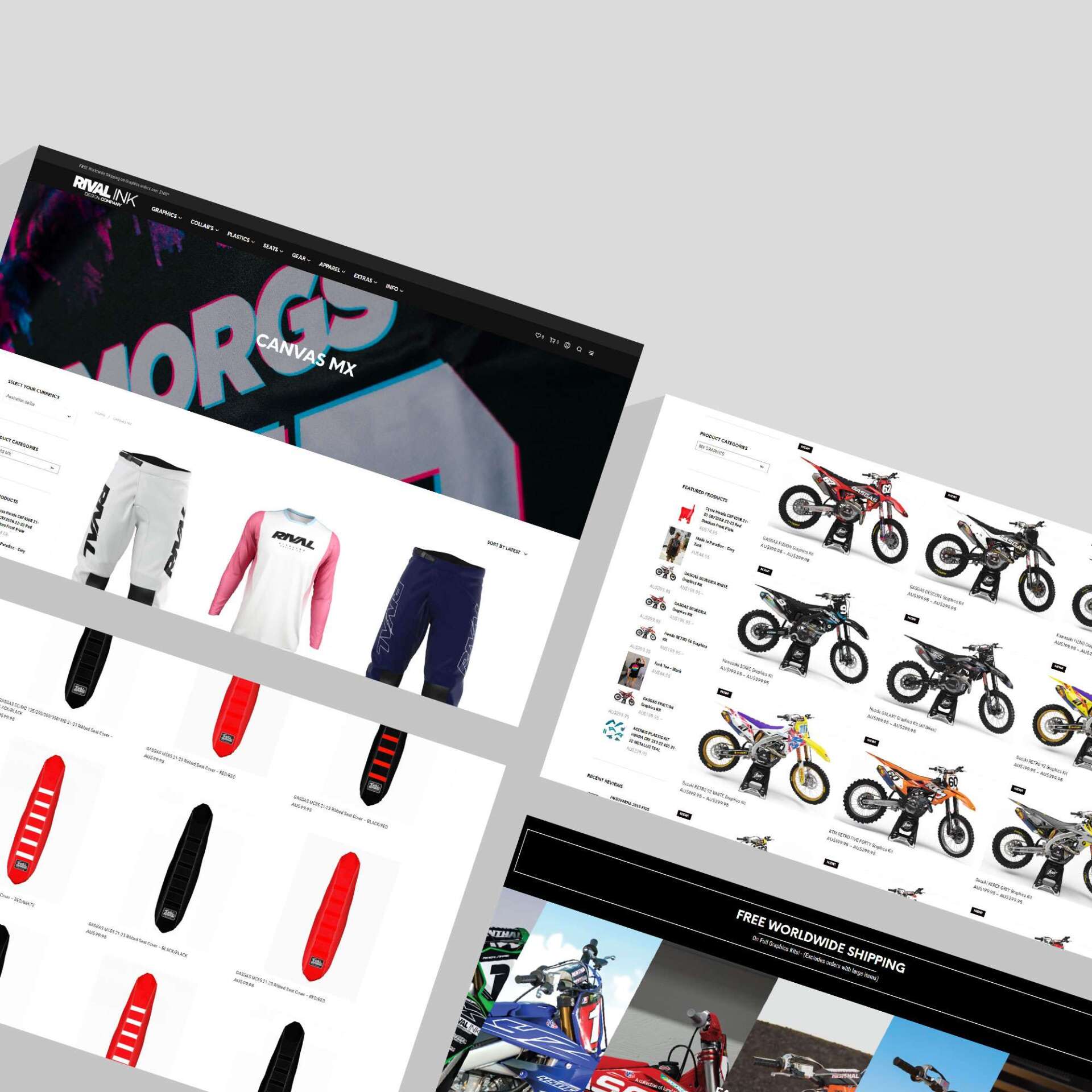
eCommerce SEO has different requirements from service-based SEO because a retailer may need visibility across category and collection pages, product pages, variants, filtered URLs, and buying-intent searches. A standard service-business strategy can miss catalogue-specific issues if it does not account for how customers browse and search through products.
A practical eCommerce strategy should assess category and collection structure, product information, internal linking, indexation, faceted navigation, duplicate content controls, and commercial product searches. Platform expertise can matter because Shopify and other eCommerce platforms handle collections, product variants, themes, apps, redirects, structured data, and duplicate content differently. eCommerce SEO is relevant for retailers that need a product-catalogue strategy, and a Shopify Partner relationship supports work where Shopify structure affects organic visibility.
Integrating Entity Authority and Structured Schema
Modern search engines analyse entities, concepts, and relationships as well as individual keywords. Structured schema markup provides explicit clues about the meaning of a page, helping search platforms understand an organisation, offerings, review scores, and physical service regions.
Structured data can help search engines interpret local business details, service offerings, product information, FAQ content, and article context. Paired with clear copywriting and useful page structure, it supports visibility across traditional results and emerging AI search interfaces.
SEO also sits within a wider digital ecosystem. Search visibility, Google Ads data, analytics, conversion tracking, merchant tools, business profiles, landing pages, and customer journeys often influence one another. A Google Premier Partner status is relevant because understanding Google’s broader ecosystem can help connect organic search decisions with advertising, measurement, and business visibility considerations.
Transparent, White-Hat Standards
Sustainable digital marketing relies on ethical, white-hat techniques that respect search engine guidelines and Australian Consumer Law. Shortcuts, automated spam links, and misleading performance claims can create avoidable risk rather than a dependable organic foundation. Google’s own SEO Starter Guide also reinforces that helpful, accessible pages and sound site structure matter more than manipulative shortcuts.
| Strategic Focus | Vanity Traffic Tactics | Revenue-Focused SEO |
|---|---|---|
| Primary Goal | Maximising impressions and click volume | Driving qualified leads, sales, and measurable pipeline |
| Keyword Strategy | Broad informational search terms | Commercial intent and transactional local queries |
| User Experience | Cluttered pages designed only for search bots | Fast, clean layouts optimised for conversion action |
| Measurement | Keyword position fluctuations only | Phone calls, form submissions, sales, and Return on investment (ROI) |
Better SEO Starts With the Right Diagnosis
Small businesses do not need to blindly do more SEO. They need to understand what is preventing their website from attracting the right searches, then prioritise the work most likely to create commercial value. That means reviewing technical foundations, search intent, on-page optimisation, local visibility, qualified traffic, conversion opportunities, and measurement as connected parts of one strategy.
If a business does not know where its SEO opportunities or problems are, experienced agency support can add value. Lead generation SEO services can help Australian small and medium-sized businesses assess their current SEO position, identify which areas need attention, and build a practical roadmap focused on relevant enquiries. Businesses can also review Our Services or Contact RankingCo for a consultative next step.
Frequently Asked Questions About SEO Services in Australia
What Does an SEO Agency Actually Do for a Small Business?
An SEO agency should identify what is limiting organic visibility and what should be improved first. That can include technical Search Engine Optimisation (SEO), keyword research, search intent, on-page optimisation, content planning, local SEO, measurement, and refinements. The value is making the website easier for search engines to understand, easier for customers to use, and aligned with searches that lead to enquiries or sales.
Does My Small Business Really Need an SEO Agency?
Professional SEO support makes sense when a business lacks internal search expertise, has technical website issues, operates in a competitive market, serves specific locations, or wants organic search to generate consistent leads. Simple updates can be handled internally, but an agency becomes more useful when strategy needs diagnosis across structure, intent, visibility, technical health, conversion pathways, and measurement.
How Do I Choose an SEO Agency for My Small Business?
Look for transparency, strategy, technical capability, commercial intent, realistic expectations, reporting, and clear effort to understand the business. A competent agency should explain what limits visibility, which searches matter commercially, which pages need improvement, how technical issues will be prioritised, how progress will be measured, and what work will be completed each month.
How Long Does SEO Take to Work for a Small Business?
SEO progress depends on competition, website condition, authority, target locations, demand, implementation speed, and work quality. Early technical or metadata fixes may be visible sooner, while stronger local visibility and lead generation usually take longer because technical improvements, content quality, relevance, and user experience work together.
Should I Focus on Rankings or Leads?
Rankings are useful indicators, but they are not the final business outcome. For most small businesses, qualified traffic, phone calls, form submissions, leads, sales, and revenue are more meaningful measures. The best strategy uses visibility data to understand progress, then checks whether it attracts the right people and helps them take the next step.
What Is the Difference Between Technical SEO and On-Page SEO?
Technical SEO focuses on whether a website can be crawled, indexed, loaded, structured, and understood properly. On-page SEO focuses on what appears on the page itself, including titles, headings, search intent alignment, content structure, internal links, calls to action, and conversion pathways. Businesses may need technical SEO support when website foundations limit visibility, and on-site SEO support when pages need stronger structure, relevance, and conversion clarity.
Can SEO Help an eCommerce Business?
Yes. eCommerce SEO needs a different approach from service-business SEO because a retailer may need to improve category and collection pages, product pages, internal linking, product information, indexation, faceted navigation, duplicate content controls, and commercial product searches. RankingCo’s eCommerce SEO capability is relevant for retailers that need a product-catalogue strategy.
Can an SEO Agency Guarantee Google Rankings?
No reputable SEO agency should promise exact Google ranking positions, because search results are affected by competition, algorithm updates, search context, website history, and user behaviour. A trustworthy agency should instead be clear about the work it will complete, how priorities are chosen, how progress will be reported, and which measurable objectives the campaign is designed to support.
Is SEO Still Worthwhile With AI Search?
SEO remains worthwhile because businesses still need clear, useful, technically accessible information that search systems and potential customers can understand. AI search changes some experiences, but it does not remove the need for accurate content, logical website structure, relevant service pages, trustworthy business information, and strong technical foundations.



Share online