
SEO Reporting Explained: How to Verify Performance and Progress
How to Verify SEO Results and Measure Real Business Growth
Verifying SEO results means checking reliable search and business data against an agreed baseline, then assessing whether the change supports a real commercial goal.
Rankings, organic traffic, enquiries and sales each show a different part of the picture, so no single metric can prove success on its own. We help Australian small and medium-sized businesses connect search visibility with evidence that is relevant to their goals.
A useful review compares comparable periods, confirms that conversion tracking is working, and considers changes in competition, website quality and search behaviour. Search Engine Optimisation (SEO) takes time, and results vary, but transparent reporting should make both progress and limitations clear.
Key Takeaways
- Verify SEO claims using accessible search, analytics and business reporting data.
- Assess rankings, organic traffic, conversions and revenue together rather than relying on one metric.
- Compare performance with a relevant baseline and account for seasonality, tracking changes and other influences.
- Expect reports to explain completed work, performance changes and the next steps.
- Review SEO performance measures alongside our SEO services to keep the focus on measurable progress that supports each business's objectives.
1. Which SEO Metrics Actually Demonstrate Results?
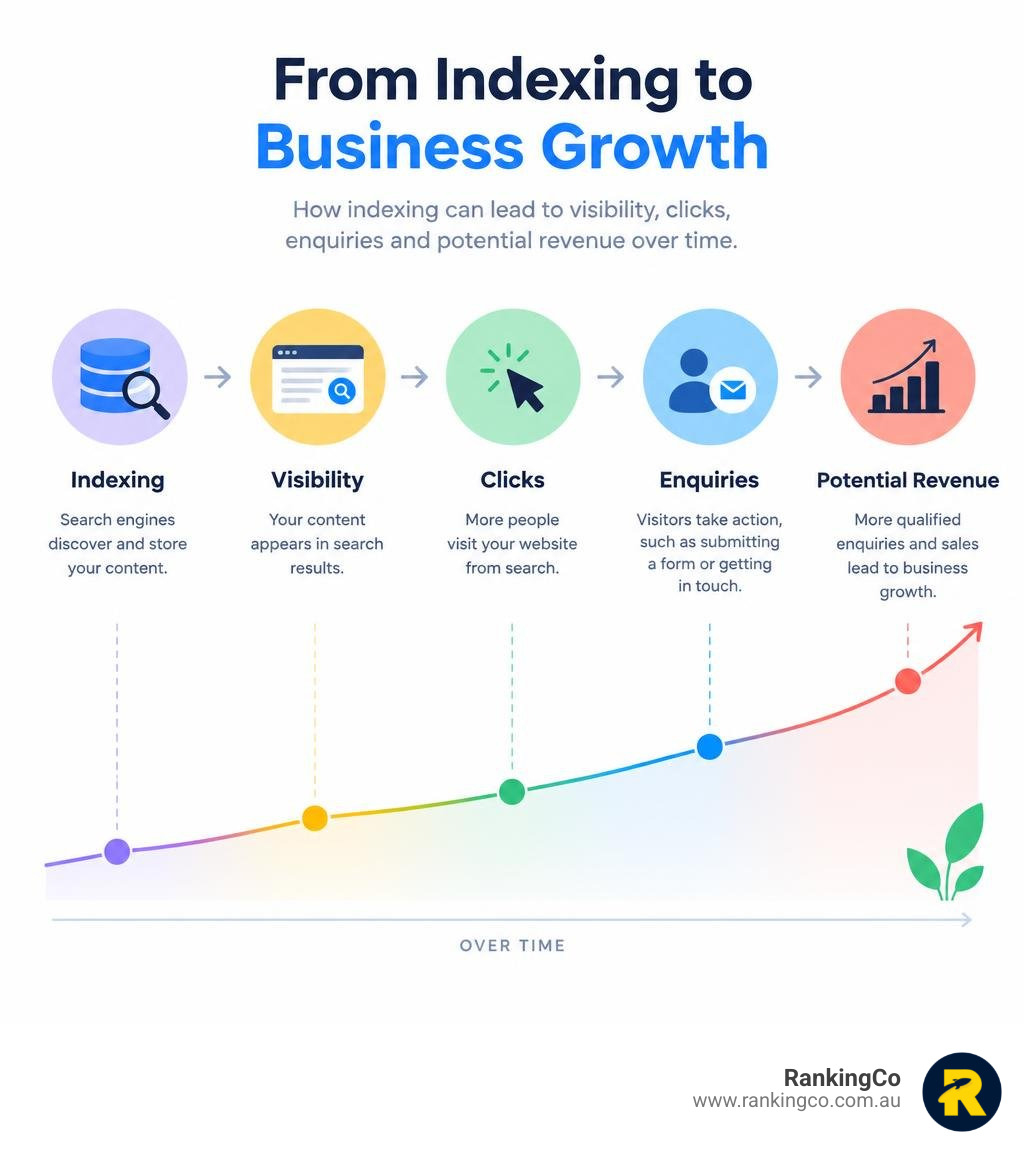
Each metric answers a different question. A sound review combines search performance, user behaviour and business outcomes instead of treating one positive chart as proof of success.
| Metric | What it helps verify | What it cannot prove alone |
|---|---|---|
| Keyword rankings | Visibility for selected search queries | More qualified leads or sales |
| Organic clicks | Visits from unpaid search results | Visitor quality or business value |
| Search impressions | How often a site appears in results | Meaningful engagement or conversions |
| Conversion data | Tracked enquiries, purchases or actions | That SEO was the sole cause |
| Qualified leads and sales | Business outcomes recorded by the business | Exact contribution from each channel |
| SEO return on investment | The relationship between defined costs and returns | Future performance |
Organic Traffic and Search Visibility
Organic traffic is the visit activity generated from unpaid search results. Google Search Console can show impressions, clicks, Click-through rate (CTR) and average position, helping businesses understand how people find their pages. More traffic is not automatically better, however. The visitors still need to be relevant to the products, services and locations the business serves.
Keyword Rankings and Search Intent
Rankings can indicate whether a page is becoming more visible for a target query, but they do not independently demonstrate commercial success. Review the intent, location and device context behind each keyword. A ranking for a broad research query may support awareness, while a commercially focused local query may be more closely connected to enquiries. Favourable screenshots for a small group of terms need the context of broader search and conversion data. Our guide to critical performance metrics offers a practical framework for that review.
Conversions, Qualified Leads and Sales
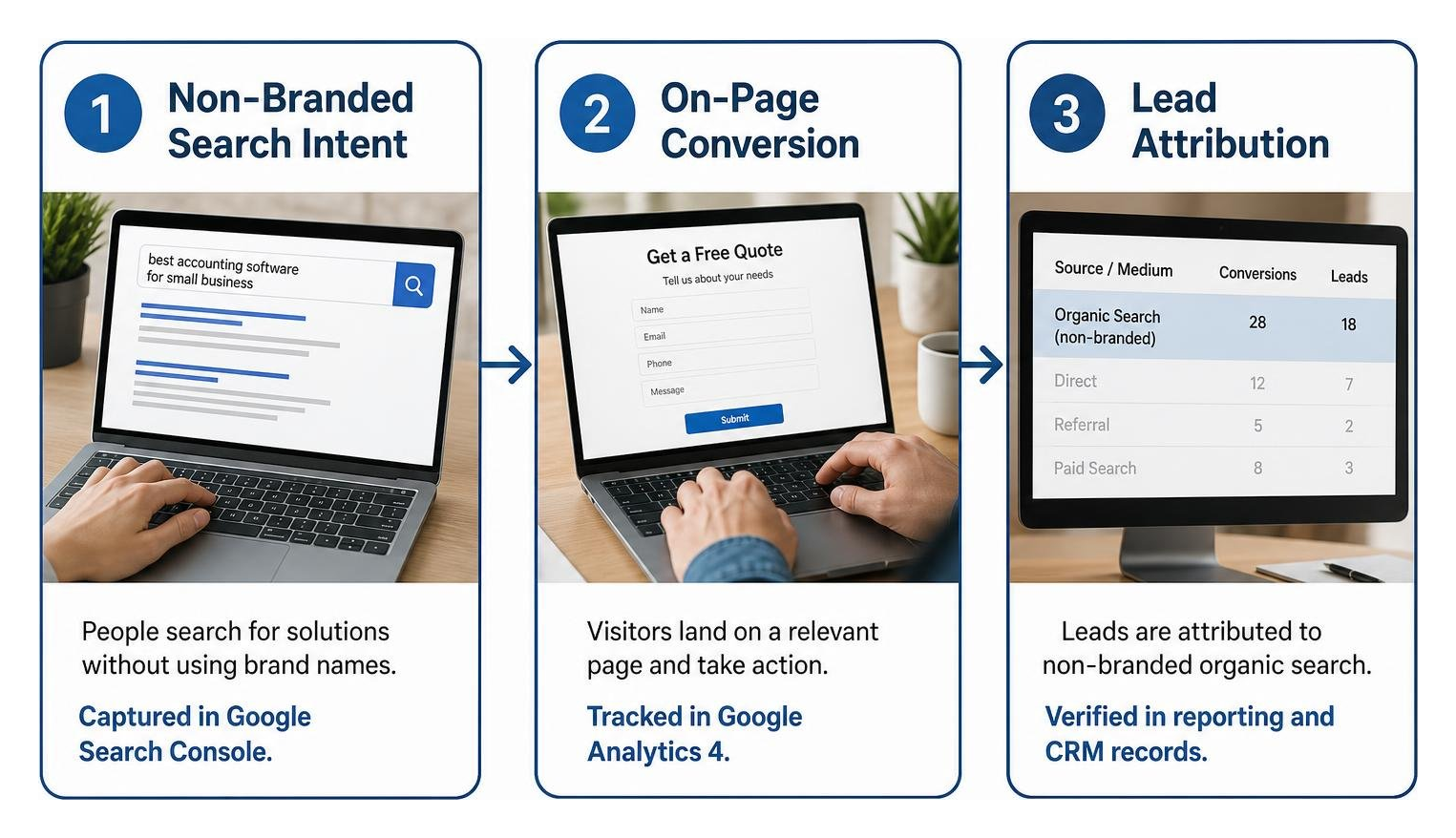
Conversion tracking records actions such as enquiry submissions, phone enquiries where tracking is available, online purchases or booked consultations. Attribution is the process of assessing which marketing interactions may have contributed to an outcome. Total enquiries and qualified leads are not interchangeable, so sales records or a customer relationship management system can help confirm whether organic visitors are becoming genuine opportunities or customers.
SEO Return on Investment (ROI)
Return on investment (ROI) considers business value or revenue alongside the defined cost of the work. Its calculation depends on the business model, reporting period, attribution approach and the costs included. SEO may support a customer journey that also involves paid advertising, referrals or repeat visits, so ROI should be interpreted as informed evidence rather than a claim that one channel caused every sale.
Why the Metrics Need to Be Read Together
A credible evaluation connects search visibility, relevant visits and meaningful outcomes. If the measures point in different directions, that is a prompt to investigate landing pages, tracking, search intent or changes in the wider marketing activity.
2. How to Check Whether SEO Results Are Genuine
A credible SEO claim should be traceable to data, assessed against a relevant baseline and explained in context. The goal is not to make every report identical, but to ensure that the comparisons and conclusions are meaningful.
Establish a Reliable Baseline
Start with the position before the work began: relevant organic clicks, priority landing pages, configured conversions and the business outcomes being measured. Compare the current period with a clearly defined earlier period and, where useful, the equivalent period in the previous year. Check whether the website, campaign scope, tracking setup, reporting definitions or wider business activity changed in the comparison window.

Verify Data in Independent Reporting Tools
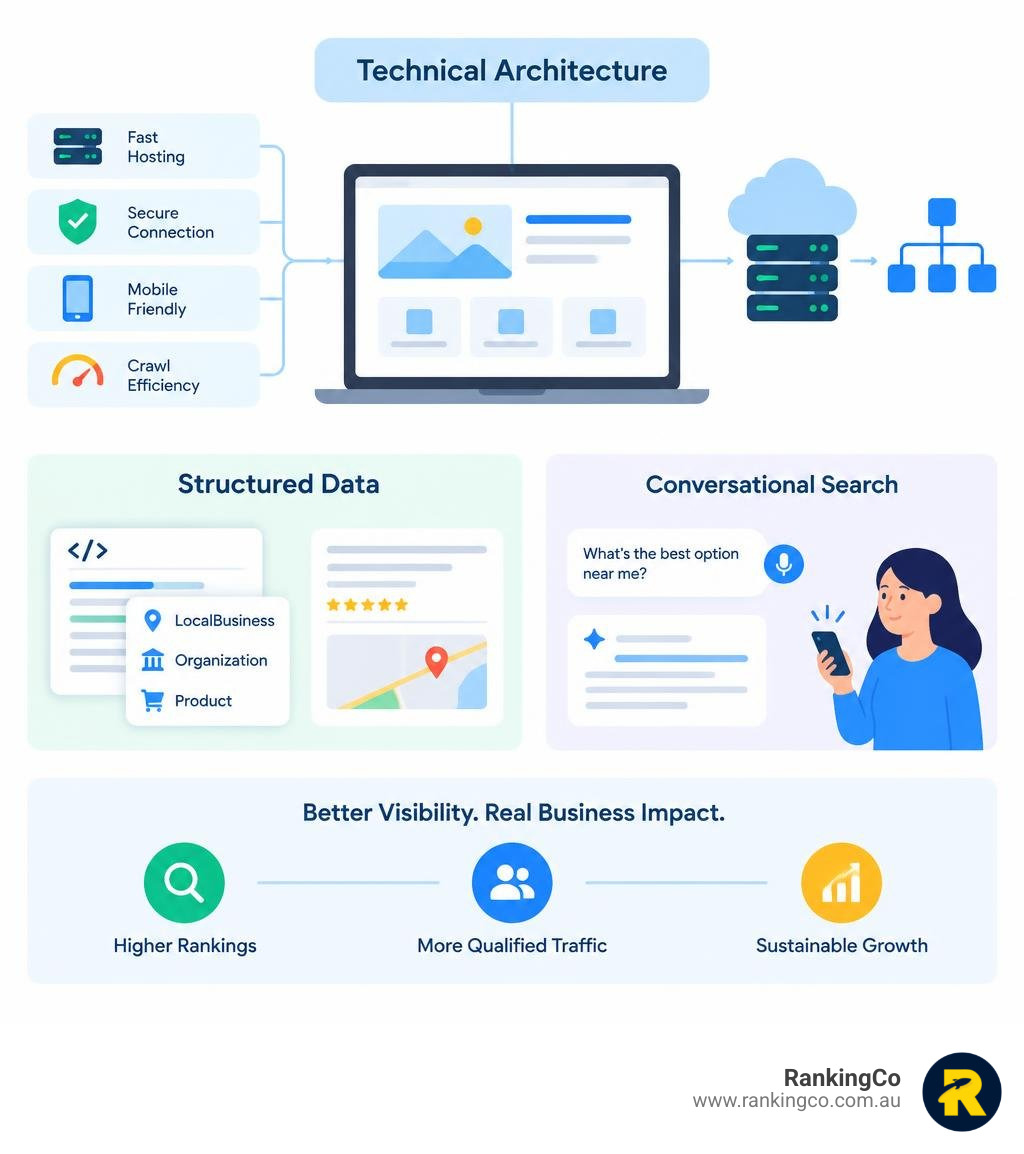
Google Search Console helps assess search visibility, impressions, clicks and queries. Google Analytics helps businesses review acquisition, user behaviour and configured conversions. Customer relationship management and sales records can then show whether enquiries became qualified opportunities or customers. These tools are complementary rather than interchangeable, and differences in consent settings, attribution models and tracking configuration can affect the figures they report. Our technical SEO services can help address measurement foundations and website issues that limit reliable reporting. For guidance on accurate marketing representations, consult the ACCC.
Compare Like With Like
Meaningful comparisons use the same or clearly defined reporting periods, comparable landing pages and keyword groups, and the same traffic sources. Consider seasonal demand, branded versus non-branded search visibility, website redesigns, tracking changes and other marketing campaigns. A rise in traffic can be encouraging, but it does not by itself establish that SEO caused the increase. Structured small business search solutions can help identify whether technical, content or measurement issues are affecting the comparison.
Review the Evidence Behind Agency Reports
A useful SEO report links agreed objectives with the work completed, relevant performance data, a clear comparison period, limitations and recommended next steps. Readers should be able to access the underlying data or receive a clear explanation of how a reported figure was calculated. Screenshots and dashboards can support communication, but they should not replace transparent evidence and business context.
3. How to Evaluate SEO Progress and Choose the Right Next Steps
Set Expectations for SEO Timelines
SEO does not follow a fixed schedule. Progress can be influenced by the site's starting condition, technical barriers, content quality, competition, authority signals and the scope of the work. Review agreed milestones regularly, while recognising that a metric may not move immediately even when useful foundational work has been completed. The evidence should still show what has changed and why the next priority is justified.
Recognise Misleading or Incomplete SEO Reporting
Ask further questions when reports show rankings without commercial relevance, traffic without landing-page or conversion context, or positive changes without a clear starting point and comparison period. Claims that promise rankings or business outcomes also deserve careful scrutiny. These signals do not automatically prove ineffective or misleading work, but they do warrant a clearer explanation of methodology, limitations and campaign scope. Google Search Central guidance is a helpful reference for sustainable search practices. Businesses can also use our guide to vetting an agency's reporting performance when reviewing the evidence behind a report.
Turn SEO Data Into an Action Plan
Agree on a focused set of business-relevant measures, review them consistently and use the findings to prioritise the next improvement. Depending on the evidence, the next step might be improving a landing page, resolving a technical issue, strengthening content or refining conversion tracking. At RankingCo, we use transparent reporting and shared business goals to guide those decisions. Our onsite SEO services can support content and on-page improvements where the data points to a relevance or conversion gap.
Closing Statement
Verifying SEO results means looking beyond rankings and traffic to the quality of the evidence, the relevance of the gains and their contribution to business goals. If your business needs clearer reporting and practical next steps, Contact RankingCo, explore Our Services, or learn more about our SEO Services. We work collaboratively with Australian businesses to support sustainable, measurable growth.
Frequently Asked Questions About Verifying SEO Results
How can I tell if an SEO agency is delivering results?
Review the agreed key performance indicators, underlying analytics data, completed work and reporting explanations together. A useful report shows how search activity relates to relevant traffic, conversions and business outcomes, while also acknowledging tracking limitations and external influences.
Which tools can I use to verify SEO performance?
Google Search Console can help review search visibility and queries, while Google Analytics can show website acquisition, engagement and configured conversions. Customer relationship management or sales records can provide the additional context needed to assess whether enquiries become qualified opportunities or customers.
How long does it take to see SEO results?
Timelines vary according to competition, website condition, technical barriers, content quality and the work required. Review progress against agreed milestones rather than expecting a fixed outcome on a fixed date, and use evidence to assess whether the activity remains relevant to your goals.
Can higher Google rankings guarantee more leads or sales?
No. Higher rankings may improve visibility for relevant queries, but they do not ensure that visitors will convert or that every outcome can be attributed to SEO. Landing-page relevance, user experience, offer quality, tracking and other channels can all influence commercial results.
What should an SEO performance report include?
A transparent report should cover business objectives, agreed measures, relevant search performance, conversion context, comparison periods, completed activities, limitations and recommended next steps. It should make clear where the data came from and how conclusions were reached.
How do I measure SEO ROI if customers use multiple channels?
Define the costs and business outcomes being assessed, review conversion tracking and use sales data where available. Attribution may show that SEO assisted a journey alongside paid advertising, referrals or repeat visits, so ROI should be interpreted as a practical decision-making measure rather than a precise claim of sole credit.




Share online


