From Shelf to Screen: How Google Ads Can Transform Your Retail Sales
Why Retail Brands Are Turning to Google Ads for Growth
Google Ads for retail has become the fastest way to connect product inventory with high-intent shoppers actively searching to buy. With 46% of product searches beginning on Google and an average return of $8 for every $1 spent, retailers who master this platform can drive measurable revenue growth almost immediately.
Quick Answer: Getting Started with Google Ads for Retail
- Set up Google Merchant Center and upload your product feed with accurate pricing, images, and availability
- Launch Shopping campaigns to display visual product ads at the top of search results
- Upgrade to Performance Max to automate placement across Search, YouTube, Display, and Gmail
- Track conversions using e-commerce tracking to measure ROAS and optimise bids
- Refine with remarketing to re-engage cart abandoners and past visitors
Key Benefits at a Glance
| Metric | Performance |
|---|---|
| Average CPC | $0.66 (vs $2-4 for Search) |
| Click Share | 85.3% of all Google Ads clicks |
| ROAS Benchmark | $8 return per $1 spent |
| Market Share | 92% of global search traffic |
The retail landscape has shifted dramatically. Shoppers now compare prices, read reviews, and make purchasing decisions before ever speaking to a sales associate. Google Ads for retail meets this behaviour head-on by placing your products directly in front of people who are ready to buy, using visual Shopping ads, dynamic remarketing, and AI-powered Performance Max campaigns.
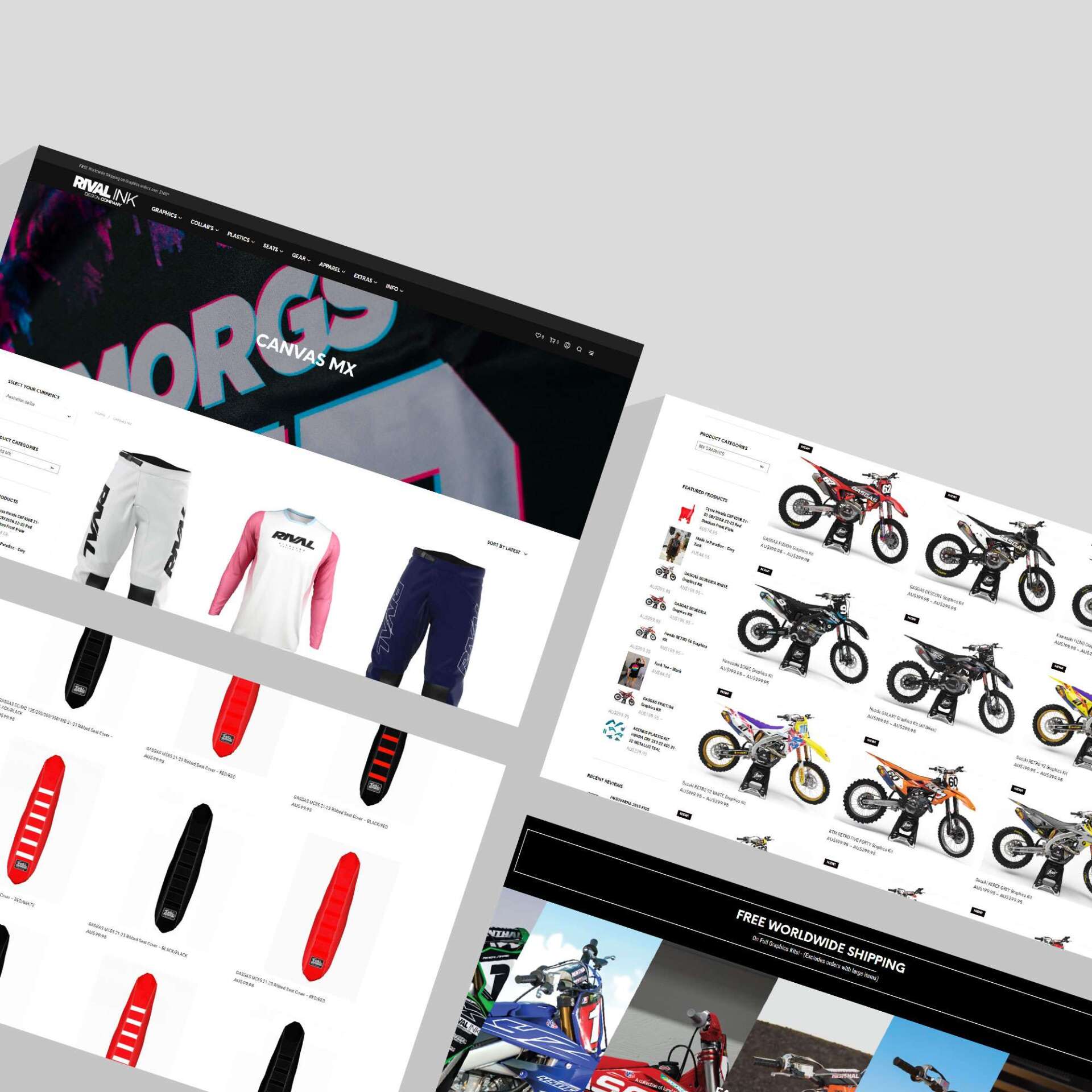
Unlike traditional text ads, Shopping ads display product images, prices, and merchant names within search results. This visual-first approach delivers significantly higher click-through rates and better-qualified leads because shoppers see exactly what they're getting before they click.
I'm Kerry Anderson, co-founder of RankingCo, and I've spent over 15 years helping retailers scale their digital presence using data-driven strategies, including Google Ads for retail. My focus is always on turning search intent into sustainable, measurable revenue growth.
Infographic: The Retail Customer Journey - From initial Google search through product discovery, comparison, and checkout, with Google Ads touchpoints at each stage including Shopping ads, remarketing, and Performance Max placements across Search, YouTube, and Display Network.
Google Ads for retail terms made easy:
Why Google Ads for retail is the Ultimate Growth Engine
Google Ads serves as a direct bridge between a consumer's immediate need and your available inventory, offering a high-precision targeting system that traditional media cannot match. By leveraging Google's 92% search market share, we can place your products in front of the 46% of shoppers who start their buying journey on this platform.
Retailers often struggle with rising customer acquisition costs, but Google's ecosystem provides a unique advantage. With an average return of $8 for every $1 spent, it remains one of the most profitable channels for e-commerce and brick-and-mortar stores alike.
Our team at RankingCo uses advanced AI to monitor these market trends, ensuring your budget is allocated to the products most likely to convert. We have seen that businesses focusing on e-commerce advertising often outperform their competitors by simply being present where the intent is highest.
Even global luxury brands have proven the efficacy of this "omnichannel" approach. For instance, a well-known luxury house achieved a 41% higher omnichannel ROAS by balancing online sales with ads designed to drive traffic to physical storefronts and call centres. This highlights that Google Ads for retail is not just for online shops; it is a holistic growth tool for any business with a physical or digital shelf.
What are Google Shopping Ads and how do they work?
Google Shopping ads are visual advertisements that appear at the top of search results, featuring a product image, title, price, and store name. These ads do not use traditional keyword bidding; instead, Google uses your product data to determine when your item matches a user's search query.
The primary difference between Shopping ads and traditional Search ads is the "retail-first" experience. Because the user sees the price and image before clicking, the leads generated are often much more qualified. If someone clicks on a $150 pair of boots after seeing the price, they have already accepted the cost, making them far more likely to complete the purchase.
| Feature | Google Shopping Ads | Google Search Ads |
|---|---|---|
| Format | Visual (Image + Price) | Text-based |
| Targeting | Product Data Feed | Keyword Bidding |
| Average CPC | ~$0.66 | ~$2.00 - $4.00 |
| Placement | Shopping Tab, Search Top | Search Results |
As a Google Premier Partner, we focus on the technical details that make these ads work. You can learn more about what makes up a Shopping ad to understand how Google pulls this data. The lower average cost-per-click (CPC) of $0.66 makes Shopping ads an incredibly cost-effective way to dominate the search page.
Setting up your Google Merchant Center and product feed
The foundation of any successful retail campaign is the Google Merchant Center, which acts as the digital warehouse for your product information. To get started, you must create an account, upload a structured product feed, and link it directly to your Google Ads account.
Think of your product feed as the "source of truth." If your feed says a product is in stock and costs $50, that is exactly what the ad will show. If this data is inaccurate, you risk wasting spend on clicks for out-of-stock items or misleading customers with incorrect pricing.
At RankingCo, we recommend following a strict Google Ads shopping campaigns setup 101 guide to ensure no errors occur during the sync. There are several mandatory attributes your feed must contain:
- ID: A unique identifier for every product.
- Title: A descriptive name (include brand, size, and colour).
- Description: Detailed info to help Google match the product to searches.
- Link: The URL of the product page on your website.
- Image Link: A high-quality photo of the product.
- Availability: Whether the item is in stock.
- Price: Accurate, up-to-date pricing.
Using tools like Channable or LeadsBridge can help automate this process, especially for retailers with thousands of SKUs. We specialise in keeping these feeds optimised so that Google's AI can accurately categorise your inventory.
How to use Google Ads for retail to drive Performance Max results
Performance Max (PMax) is an AI-driven campaign type that allows retailers to access all Google ad inventory—YouTube, Display, Search, Discover, Gmail, and Maps—from a single campaign. Advertisers who switch from standard Shopping to PMax typically see an average increase of 25% in conversion value at a similar ROAS.
The "magic" of PMax lies in its use of Smart Bidding and Google’s AI. By setting a Target ROAS (tROAS), you tell Google exactly what kind of return you need to remain profitable. The system then automatically finds the best placements for your ads across the entire web.
Real-world success stories show just how powerful this can be. For example, a wellness company used AI-driven strategies to create specific target personas and generate high-impact visuals. This led to an 80% uplift in click-through rates and a 31% improvement in the cost per purchase.
We encourage our clients to provide a wide variety of assets—including high-quality videos and images—because campaigns with at least one video see a 12% increase in total conversions. Our founders, Amber Porter and Kerry Anderson, always emphasise that while the AI does the heavy lifting, the quality of the creative inputs determines the final result.
Best Practices to Optimise Your Retail Strategy
Optimising Google Ads for retail requires a shift from manual adjustments to strategic "steering" of Google's AI. By providing high-quality creative assets and rich first-party data, you give the algorithm the "fuel" it needs to find your most profitable customers.

RankingCo operates as a Google Premier Partner, meaning we have direct access to the latest retail tools and beta features. We focus on "Audience Signals," which are unique data points—like your list of past purchasers—that help Google AI find similar high-value shoppers faster.
We don't believe in "set and forget" marketing. Even with AI, we constantly refine your asset groups and monitor "Ad Strength" to ensure your brand stands out. This human-led, AI-enhanced approach is what sets our strategies apart in competitive markets like Brisbane, Sydney, and Melbourne.
Driving omnichannel sales with store goals
Omnichannel retailing is the practice of providing a seamless shopping experience whether the customer is buying online or in a physical store. By assigning a specific monetary value to "Store Visits" in Google Ads, you can optimise your campaigns to drive foot traffic just as effectively as website sales.
Many shoppers search for "products near me" on their phones while they are already out. Local Inventory Ads (LIAs) are perfect for this, as they show the user exactly which items are in stock at your nearest physical location.

One successful fashion retailer improved their ROAS by 8.5% simply by making store visits a primary campaign goal. This allowed their ads to work harder during business hours and in specific geographic radiuses around their shops.
For our clients in Auckland or Toronto, we implement these strategies to ensure that digital spend is supporting the health of their physical storefronts. It turns your online presence into a powerful 24/7 lead generator for your local staff.
Advanced targeting and remarketing for high-intent shoppers
Remarketing is the process of showing targeted ads to people who have already visited your site but didn't make a purchase. For retailers, "Dynamic Remarketing" is a game-changer because it shows the user the exact product they were looking at, reminding them to come back and finish the transaction.
Customer Match is another advanced tool we use to reach high-intent shoppers. By uploading your consented email lists to Google, we can target your existing loyal customers with special offers or exclude them from "New Customer" campaigns to save budget.
- Cart Abandoners: Target users who added items to their cart but left before paying.
- Product Viewers: Reach people who browsed specific categories like "Summer Dresses."
- Loyalty Members: Reward your best customers with early access to sales.
Google requires at least 1,000 people on a list to use Customer Match, and it works best when integrated with your CRM. We help bridge this gap, ensuring your first-party data is used securely to improve your ad performance and lower your acquisition costs.
Measuring success and scaling Google Ads for retail
Scaling your Google Ads retail campaigns requires a deep understanding of e-commerce tracking and attribution. You need to know not just that a sale happened, but which ad, keyword, or video helped the customer make that decision.
During peak seasons like Black Friday or Christmas, we use "Seasonality Adjustments" to prepare Google's AI for the sudden spike in conversion rates. We also look at demand forecasts to help our clients plan their budgets weeks in advance, ensuring they don't run out of "fuel" when shopping intent is at its highest.
Infographic: Scaling for Success - A visual guide to increasing retail ad spend profitably. It shows the relationship between budget increases, ROAS stability, and the use of seasonality adjustments to capture holiday demand.
To truly grow, you must move beyond basic metrics like clicks and focus on "Conversion Value." This tells Google to prioritise sales of your high-margin products over cheaper items. For more detailed insights, you can explore our guide on Google Ads management to see how we handle large-scale retail accounts.
Ready to Transform Your Retail Performance?
The transition from "shelf to screen" is no longer optional for retailers who want to thrive. Google Ads provides the most robust set of tools available to capture demand, drive store visits, and scale online revenue. Whether you are a boutique in the Central Coast or a major retailer in Wellington, the principles of data-driven advertising remain the same.
At RankingCo, we combine 15 years of expertise with cutting-edge AI to ensure your products are seen by the right people at the right price. We don't just manage ads; we build growth engines that work while you sleep.
Take the next step in your retail journey:
Let us help you turn your inventory into your greatest competitive advantage. Reach out to our team in Brisbane, Sydney, Melbourne, or beyond, and let's start scaling your retail sales today.



Share online